
New York is forever shifting its culture with the amount of people moving in and out of each borough, but gentrification has got native New Yorkers in an uproar.
What is gentrification, exactly?
We can most easily understand it as an influx of wealthier people arriving in an existing urban district, the effects of which generally result in increased rents and property values, and a shift in the character and culture of the area more suited to the newcomers.
The influx of people moving urban areas has caused culturally historic areas of urban areas to become obsolete and forgotten. Is gentrification as bad as we’re making it out to be? Here’s a quick pro/con list to weigh the option.
1. Hipsters
via vocative.com/Marti Sans-Almay
Also known as "culture vultures", you will find groups of these trendy, cool young adults in specific places in Manhattan (SoHo, Lower East Side, etc.), but predominately Brooklyn.
You'll catch them drinking a Starbucks while working on their latest performance art piece, writing a screenplay in a local cafe (yes, with the Starbucks), or filming a documentary about their five years living in the "up-and-coming" Brooklyn.
Pros
The spirited bearded men and yoga-loving feminists are always up to grab a cup of coffee (or tea) and ready to discuss the current issues about the world (but not gentrification). Maybe they'll keep the neighborhood clean (because being green is cool).
Cons
They buy all the kale and quiona at the local market. They take the best seats at all the coffeehouses. They don't continue the culture of the local areas, but override them to cultivate their own standards normalcy.
2. New landmarks
via Downtown Brooklyn/owner Unknown
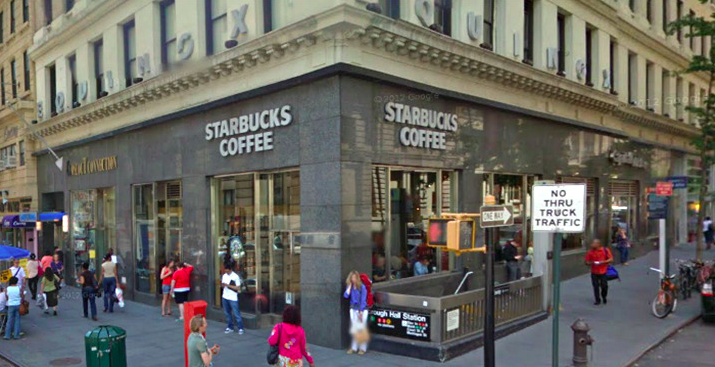
It seems overnight that new buildings and storefronts began springing up allover uptown Manhattan (better know to natives as Harlem) and urban areas of Brooklyn (East New York, Bed-Stuy, Williamsburg, and Bushwick).
You'll notice that the thrift shops, coffeehouses, and boutique retailers cater to those who have moved into these areas.
Pro
New options on food, clothing, and hangout spots. New job opportunities (if you don't mind minimum wage).
Cons
Lack of financial income for the neighborhoods. The local mom-and-pop shops are not able to survive with the competition moving into town and be forced to sell their storefront. Normally these businesses have been in these families for years.
3. Housing
via Citypages/City of Brooklyn Park
The proper definition of gentrification requires contractors and building developers moving into urban and run-down areas for low price, renovating these tired buildings, and creating a new environment and attraction to the neighborhood.
Pro
The new, shiny buildings create an upscale look to these neighborhoods, drawing in a new set of New Yorkers. Recycling has gone up and waste is gradually being disposed of properly.
Con
The rent is rising, forcing families and young adults out of their long-standing homes into far-spread areas that have not been touched by the developers (yet). Brooklyn's current median rent price is a monthly $6,095.
Similar to the hipster crowd (a consequence of the shift), these newcomers do not look to merge with the neighborhood, but more so make it their own.
4. Opportunities
via Facebook/Felipe Lavalle
Some new doors and opportunities open up for these gentrified areas, but not all opportunities have positive side-effects.
Pro
You will be offered a mixture of interest-centered clubs (like biking or literature) and events (both family-friendly and adult).
You probably could before, but now your crew will look cooler and more chic with their vintage bikes with baskets. You can also create new projects.
Con
Gentrification is run by the private sector, meaning the care for community outreach and growth is nonexistent.
While your neighbors change constantly and the faces behind your counters shift with the wind, it’s difficult to keep hold of feeling like home. Many of these clubs and events are inclusive, with lack of want from the surrounded community.
5. Public safety
via Rebloggy
When an area is gentrified, there's a perceived, albeit confused, element of civility and sophistication that's either been created or restored to a previously urban environment.
However altruistic this sentiment may seem at first, it still categorically fails to address or assauge any of the actual problems ailing the community.
Pro
Public safety is getting better. You won’t see anything traumatizing happening outside your favorite quaint brick-oven pizzeria. The New York Police Department keeps things safe and under control.
Con
This doesn't include the Black and Latino communities. The NYPD keeps these gentrified neighborhoods clean by criminalizing and removing Black and Latino (predominately young males) from these upgraded areas.
This is not an issue to blame on gentrification, however, having unfamiliar faces in the neighborhood may have been a little off-setting, even if those faces have been living in the neighborhoods since birth.
Check out These Throwback Photos of the LES in the 90s.